5 Tire Data Metrics That Cut Fleet Costs by 20%【Industry Insights】
For any trucking fleet, tires are not just a consumable — they are a significant operating expense. Industry data shows that tires typically account for 5–10% of total fleet operating costs, and poor tire management can push that number even higher.
Yet many fleets still manage tires by gut feel: replace when they look worn, check pressure when something feels wrong, and choose the cheapest tire on the quote.
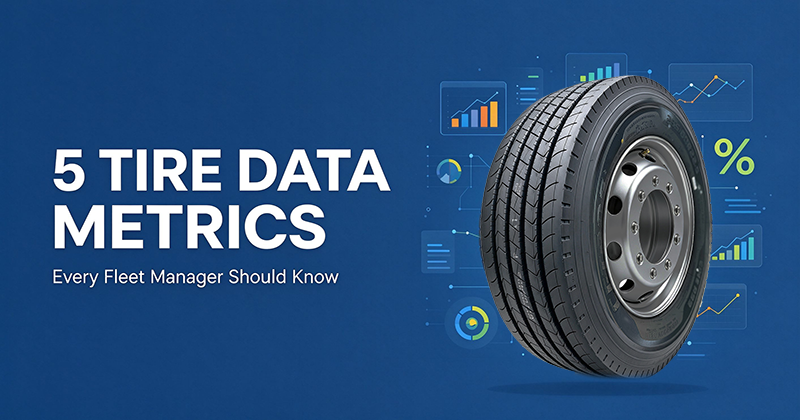
The fleets that save the most money are the ones that measure everything. Here are the five tire data metrics that make the biggest difference to your bottom line.
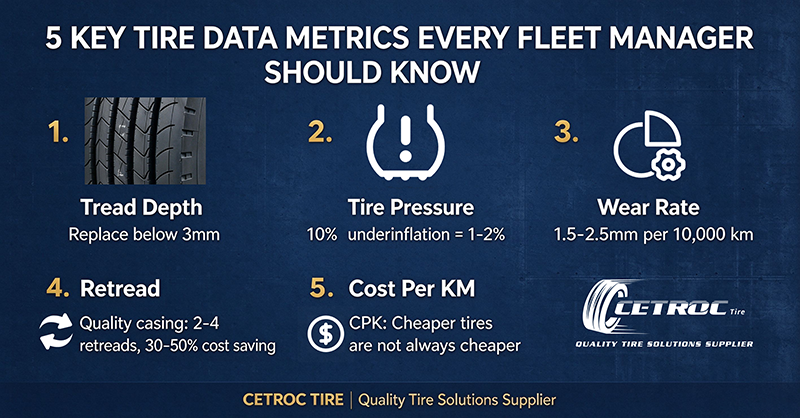
1. Tread Depth: Know When to Replace Before It's Too Late
New truck tires typically come with 16–24mm of tread depth, depending on the pattern and application. But the replacement threshold is much earlier than most drivers think.
Steer axle: Replace when tread depth drops below 3mm
Drive axle: Replace below 3mm for mixed road conditions
Trailer axle: Replace below 2mm
Every additional 1mm of remaining tread represents roughly 10,000–15,000 km of usable life. Waiting too long doesn't save money — it increases the risk of blowouts, poor wet grip, and costly roadside emergencies.
Pro tip: Measure tread depth at three points around each tire (center, inner, outer shoulder). Uneven wear is an early warning sign of alignment or loading issues.
2. Tire Pressure: The Single Biggest Fuel Saver
Tire pressure is the most overlooked metric in fleet management — and the one with the fastest payback.
Underinflation by 10% → fuel consumption increases by 1–2%
Underinflation by 20% → tire lifespan drops by 30%
Overinflation by 15% → uneven wear on the center rib
The best fleets check cold tire pressure weekly, and keep it within ±0.2 bar of the manufacturer's specification. A pressure monitoring system (TPMS) pays for itself in fuel savings alone.
3. Wear Rate: Catch Problems Early
Tracking wear rate — measured in mm per 10,000 km — tells you whether your tires are wearing normally or something is wrong.
| Axle Position | Normal Wear Rate |
| Steer axle | 0.8–1.2 mm / 10k km |
| Drive axle | 1.5–2.5 mm / 10k km |
| Trailer axle | 0.6–1.0 mm / 10k km |
If wear rate is 30% above the normal range, investigate immediately. Common causes include misalignment, overloading, improper inflation, or tire pattern mismatch.
4. Retread Ratio: The Hidden Profit Center
Most fleet managers don't realize that a quality tire casing can be retreaded 2–4 times. Retread cost is typically 30–50% of a new tire, and retreaded tires perform nearly as well as new ones for most applications.
The key is starting with a high-quality casing. Cheap tires may save money upfront, but their casings often can't handle multiple retreads — which means you end up buying new tires every cycle instead of saving money.
Fleets with a strong retread program can reduce total tire costs by 30% over the life of each casing.
5. Cost Per Kilometer, Not Sticker Price
This is the metric that changes how you buy tires.
Instead of asking "how much does this tire cost?", ask: "how much does this tire cost per kilometer?"
Formula: (Tire price + maintenance + downtime) ÷ total km
Example:
Tire A: $400, lasts 100,000 km → $0.004 / km
Tire B: $300, lasts 60,000 km → $0.005 / km
Tire B looks cheaper on the quote. But Tire A is actually 20% cheaper per kilometer.
The Bottom Line
Tire management is not about buying the cheapest tire — it's about buying the tire that costs the least per kilometer over its full life cycle.
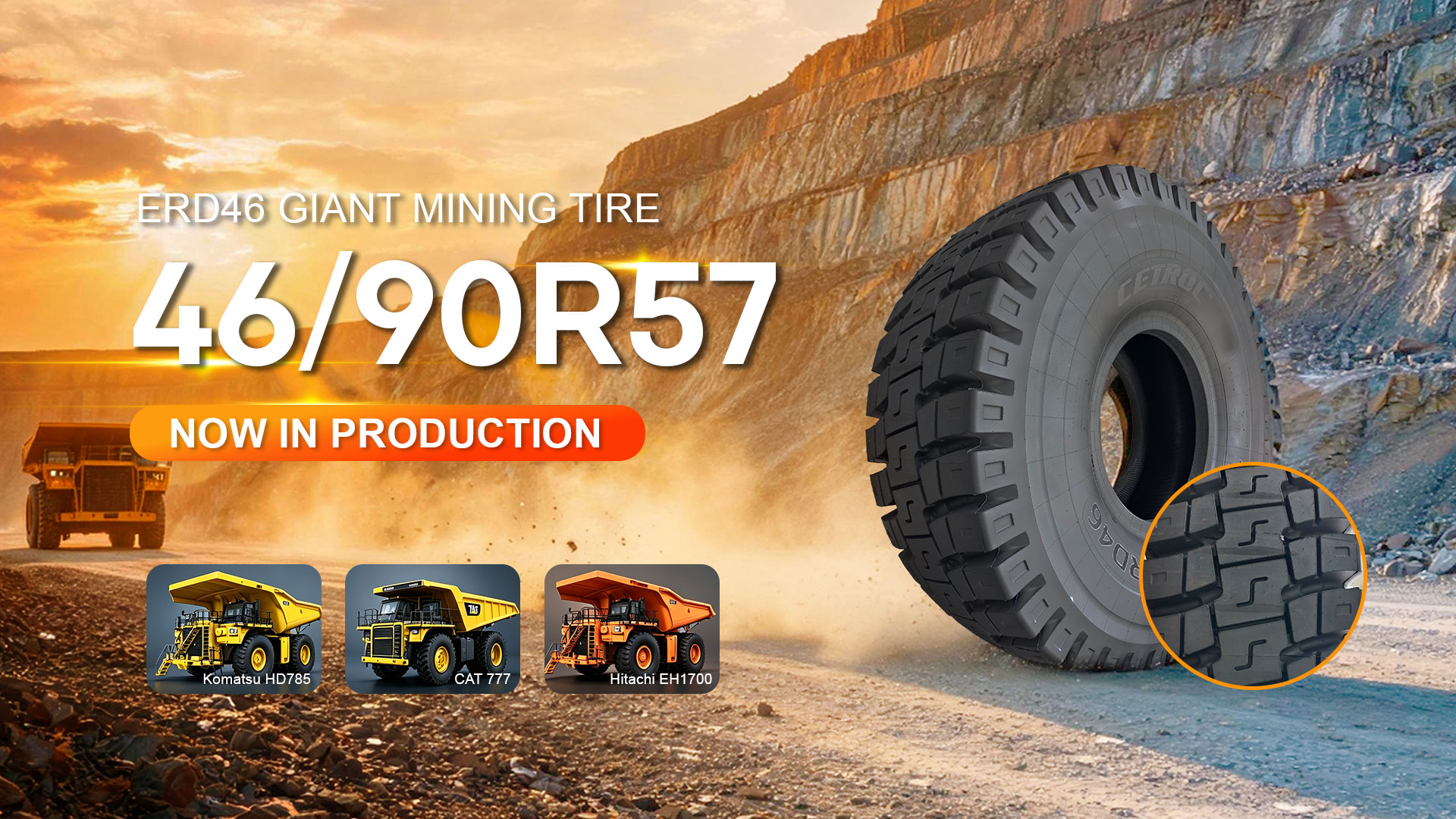
At CETROC, we design our tires with these metrics in mind: deep tread for longer life, low heat generation for durability, strong casings for multiple retreads, and compounds optimized for both wear resistance and fuel efficiency.
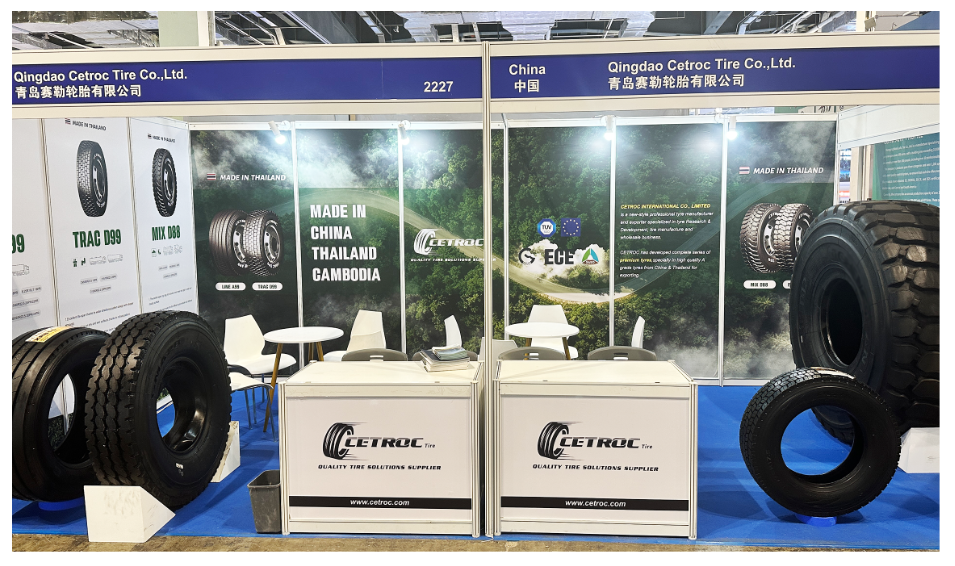
With manufacturing bases in China, Thailand, and Cambodia, we export premium TBR, LTR, AGR, and OTR tires to over 120 countries worldwide. All our products meet international certifications including ECE, GCC, SASO, and TÜV.
Want to know which tire model fits your fleet's routes and load conditions?
Contact our team today for a free tire consultation and customized quotation.
Email: marketing@cetroc-tire.com
Looking for the right tire for your fleet? Download our free tire selection guide
“CETROC QUALITY TIRE SOLUTIONS SUPPLIER”